Food stamps, officially known as the Supplemental Nutrition Assistance Program (SNAP), have been a crucial part of the American safety net for a long time. They help families and individuals with low incomes buy the food they need. But when did this important program begin? This essay will explore the history of food stamps, looking at its origins and how it has evolved to become the program we know today.
The Beginning: Answering the Question
So, **the food stamp program officially started in 1964.** This was part of President Lyndon B. Johnson’s “War on Poverty,” a series of programs aimed at helping low-income Americans. The goal was to reduce hunger and improve the health of those struggling to make ends meet. It wasn’t an instant success, and the program was a bit different back then compared to how it works now.
The Context of the 1960s
The 1960s were a time of significant social and political change in the United States. The Civil Rights Movement was in full swing, and there was a growing awareness of poverty and inequality. The government, under President Johnson, was looking for ways to address these issues. Food stamps were seen as one tool to help people, especially children, get enough to eat.
- The program was a direct response to the problem of hunger in the United States.
- Many people, especially children, were suffering from malnutrition.
- The government wanted a way to provide immediate relief.
- It was also designed to stimulate the economy by increasing demand for food.
Before 1964, there were some smaller, experimental food distribution programs, but these were limited in scope. The new food stamp program was designed to be much larger and more accessible, aiming to reach more people across the country. This was a bold move, and it took a while to roll out the program nationwide. Many people did not know how to use them.
Think of it like this: the government recognized a problem – people not having enough to eat – and food stamps were the solution they proposed. It was a way to help families stretch their budgets and make sure they had enough food on the table. The launch of the food stamp program wasn’t just about handing out money; it was a statement that the government was committed to fighting poverty.
- Fighting hunger and providing food security was the main goal.
- Increasing consumer spending and supporting farmers was a secondary benefit.
- It was a response to the problems of widespread poverty.
- It was one component in Johnson’s War on Poverty.
The Early Challenges and Evolution
In the early years, the food stamp program faced some challenges. It wasn’t always easy to get the program up and running in every community. There were administrative hurdles and some people were skeptical. Plus, it was initially more complicated. People had to buy the stamps, and then they could use them to purchase food.
Over time, the program went through several changes to improve its efficiency and effectiveness. They worked to make it easier for people to apply, and they updated the process to fit people’s needs. The government wanted to streamline the process so more people could get help. They also made sure to get feedback from the people.
- There were struggles with implementation at the state and local levels.
- Administrative procedures were sometimes complicated.
- There was a learning curve for both participants and administrators.
- The program was constantly changing.
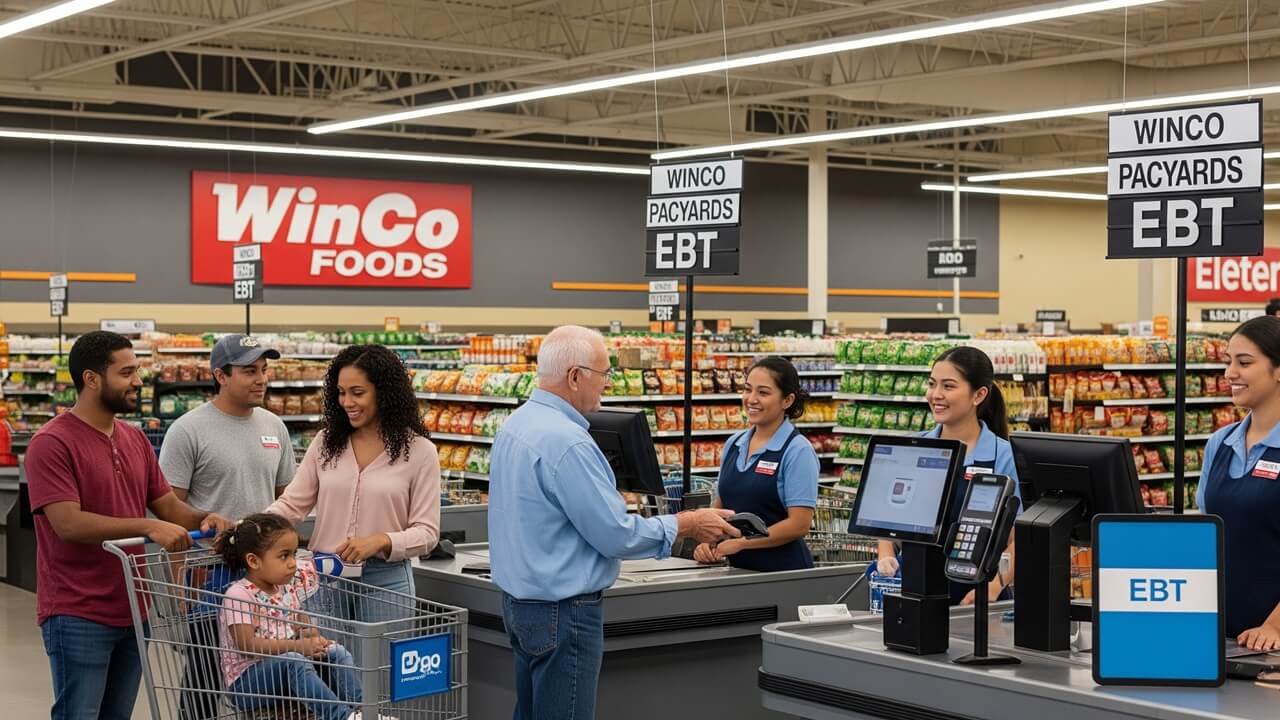
One big change was the move from paper stamps to electronic benefits transfer (EBT) cards, which are like debit cards. This made the program easier and more discreet for participants. Now, instead of carrying around a booklet of stamps, people could use a card just like they would with any other debit card. This upgrade was a huge step forward.
Here’s a quick comparison of the program’s progress:
| Aspect | Early Program | Modern Program |
|---|---|---|
| Method | Paper Stamps | Electronic Benefit Transfer (EBT) |
| Accessibility | Limited | More accessible and easier to manage. |
| Cost | Participants bought them with cash | Free, based on qualifications |
Who Qualifies for Food Stamps?
The rules for who can get food stamps have changed over time, but the basic idea remains the same: the program is for people with limited incomes and resources. To qualify, people must meet certain income requirements set by the government. These requirements vary depending on the size of a household and where they live.
Generally, individuals and families with lower incomes and fewer assets are eligible. This includes families with children, the elderly, people with disabilities, and the unemployed. The government also considers other factors like how many people are in the household, their age, and how much money they make. There are specific rules to help make it fair.
- Income levels are key, with limits based on household size.
- Asset limits (like savings) also play a role.
- Employment status can be a factor.
- There are special provisions for the elderly and disabled.
The government regularly updates these eligibility guidelines to reflect the cost of living and other economic factors. This helps ensure that the program continues to serve those who need it most. There are people assigned to evaluate who can receive assistance. The government also works to try and identify fraud.
Think of it this way: the government sets a “financial line” and only those who are below it can get food stamps. This line is not the same for everyone. It depends on a lot of different factors.
The Impact of Food Stamps on the Economy
Food stamps have a real impact on the economy. By giving people money to buy food, the program supports the food industry and helps create jobs. When people spend their food stamps at grocery stores, it benefits farmers, food processors, and retailers. It creates economic stimulus.
Food stamps act as a boost to the economy by increasing spending in local communities. These economic benefits extend beyond just the food industry. The money that recipients spend on food can help other businesses, such as transportation, and related services. The food is also supplied by a lot of different people and businesses.
- Increased demand for food products.
- Support for the agricultural sector.
- Creation of jobs in the food industry.
- Stimulation of local economies.
The impact can be seen at the local level, with grocery stores and other businesses benefiting from increased sales. Food stamps also provide stability for families, allowing them to meet their basic needs and participate more fully in their communities. The overall goal is to improve people’s quality of life.
You could say that food stamps are an investment in both people and the economy. It helps people afford food while supporting farmers and business owners. The government analyzes statistics to determine economic impact.
Modern SNAP and Its Features
Today’s food stamp program, known as SNAP (Supplemental Nutrition Assistance Program), is much more advanced than the original version. SNAP is designed to be a safety net to provide support for individuals and families. SNAP participants receive an EBT card that functions like a debit card.
SNAP is now available in all 50 states and the District of Columbia. It is run by state agencies, with oversight from the federal government. The rules and guidelines are set at the federal level, but each state handles the process of applications and distribution. SNAP also includes a number of other programs that are designed to educate and assist the public.
- Electronic Benefit Transfer (EBT) cards are used.
- The program is available nationwide.
- It’s managed at the state level.
- There are often additional support services.
SNAP is an example of how government programs can evolve to meet changing needs. The program is regularly evaluated and updated. It is constantly being refined to improve efficiency. It has become easier for people to apply, and the benefits are distributed electronically.
Here are some features of SNAP:
| Feature | Description |
|---|---|
| EBT Cards | Used to purchase food at authorized retailers. |
| Eligibility Requirements | Based on income and household size. |
| Federal Funding | The federal government funds the program. |
| State Administration | State agencies manage the program. |
Food Stamps and Hunger in America
The main goal of food stamps is to reduce hunger and improve nutrition for low-income families. The program has played a significant role in helping to combat food insecurity in the United States. It provides a vital lifeline for those who struggle to afford nutritious meals.
Food stamps help to address a widespread problem. Many Americans face food insecurity, meaning they don’t always have access to enough food. The program can help prevent people from going hungry and allows families to buy healthier food options. It increases access to food.
- Helps reduce food insecurity.
- Provides access to nutritious foods.
- Supports families in need.
- Contributes to better health outcomes.
By providing financial assistance for food, food stamps help families avoid the difficult choice between buying food and paying for other necessities like housing or medicine. The program also promotes healthy eating by allowing participants to buy a wide variety of food items. It supports a wide range of people.
In short, food stamps are an important tool in the fight against hunger and poverty in America. It also helps to improve people’s lives.
Conclusion
From its humble beginnings in 1964 as part of the “War on Poverty,” the food stamp program has grown and evolved into the SNAP program we know today. It has changed a lot to make it better for people. SNAP has played a critical role in providing food assistance to millions of Americans, helping to combat hunger and support low-income families. The program continues to evolve, adapting to the changing needs of society and the economy, and remains an important part of our country’s safety net.