The Supplemental Nutrition Assistance Program, or SNAP, helps people with low incomes buy food. It’s a super helpful program! But, just like any program, there are rules and limitations. Sometimes people are surprised by what SNAP doesn’t cover, so this essay will break down some of those key areas to help you understand how the program works and how to make the most of it. Let’s take a look at what SNAP is all about and some of the *things that SNAP doesn’t cover*.
What About Non-Food Items?
One of the big things to know is that SNAP is all about food. That means there are some pretty clear lines about what you can and can’t buy. The program is specifically designed to help people get nutritious food to eat.
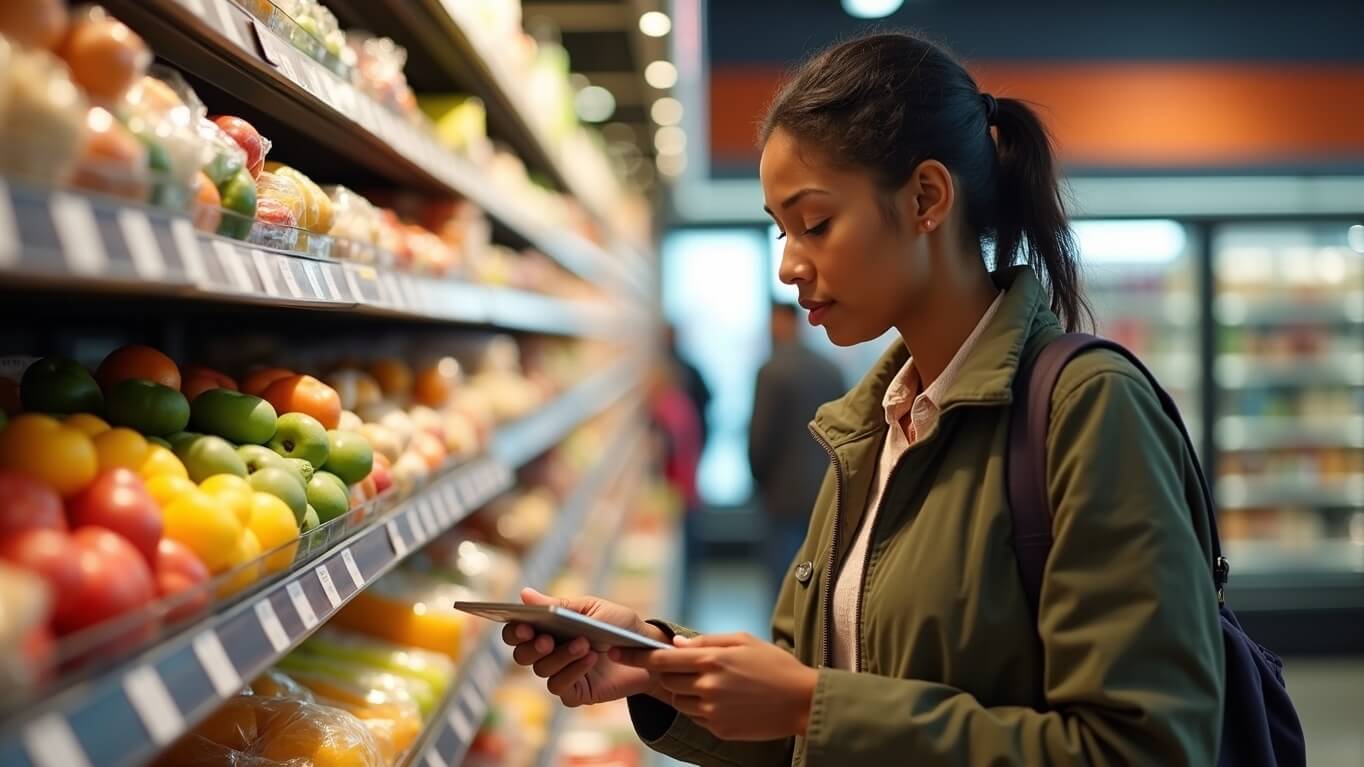
So, what exactly can’t you purchase? **SNAP benefits cannot be used to buy things like alcohol, tobacco products, or non-food items.** Think of it this way: if it’s not something you eat or drink, it’s probably not covered by SNAP. This helps make sure that the money goes directly towards groceries for your family.
Let’s talk about some more items that aren’t included. Here are a few examples:
- Pet food.
- Household supplies like cleaning products.
- Vitamins and supplements.
- Medicines.
These things are essential, but they are not what SNAP is designed for. Instead, SNAP focuses solely on providing access to food resources.
The Costs of Ready-Made Meals and Prepared Foods
SNAP has rules about prepared food, too. You can buy food to prepare at home, like ingredients. But, there are some limits on what you can purchase if you plan to eat it immediately, like from a deli counter or a restaurant. It’s important to understand these rules so you don’t accidentally try to buy something that’s not allowed.
Generally, SNAP can’t be used to buy hot foods that are ready to eat. You also generally can’t use SNAP at restaurants. However, some states do allow for restaurants to accept SNAP for people who are elderly, disabled, or homeless. SNAP can be used for cold food items, such as deli salads, as long as they are not intended for immediate consumption. This helps make sure benefits are used for food that can be used for home-prepared meals.
Let’s look at some scenarios. Imagine you have SNAP and are at the grocery store. Here’s the breakdown:
- You can buy a rotisserie chicken to eat at home.
- You cannot buy a hot, prepared meal from the deli to eat immediately.
- You can buy a sandwich from the cold section.
- You can buy cold salads from the deli.
This keeps the focus on the food people prepare and allows the program to stretch your money further.
Non-Food Household and Personal Care Items
SNAP is pretty clear about what it covers, but what about the other stuff? There are lots of household and personal care items that, while important, aren’t covered by the program. This includes a wide range of things you might need to take care of your home and yourself.
SNAP is designed to help with groceries only, and doesn’t cover items that are not consumable. **Household items are almost always excluded from SNAP coverage.** These are usually not considered nutritional in nature, and therefore are not included.
Here are some examples of items that SNAP won’t cover:
- Soap and shampoo.
- Toilet paper and other paper products.
- Cleaning supplies, like bleach or laundry detergent.
- Diapers.
These things are important, but you’ll have to budget for them separately. You may be able to seek out other programs that offer some of these things, such as local charities.
Clothing and Other Non-Food Essentials
It can be tough to manage a budget, and it can be even tougher when you’re struggling to make ends meet. SNAP is there to help with food, but it doesn’t help with other essential needs. This can sometimes be surprising for people who are new to the program.
While clothing is essential, SNAP is not a general assistance program. SNAP doesn’t cover clothes, shoes, or other items that people may need for personal use. This means you won’t be able to use your SNAP benefits at clothing stores. You’ll have to find other ways to pay for those kinds of things.
Think about all the expenses people face every day.
| Type of Expense | Is it Covered by SNAP? |
|---|---|
| Clothing | No |
| Rent or mortgage | No |
| Utilities | No |
| School supplies | No |
SNAP helps people with groceries, and these are usually separate expenses.
The Purchase of Luxury Items
SNAP aims to give people access to nutritious food. But, this program is limited to just food. While many people might think that specialty items are included, they are not. It’s a good reminder that SNAP helps people purchase food necessities, but it doesn’t extend to luxuries.
SNAP can buy lots of foods, but it does not cover expensive items. The purchase of luxury items is something that SNAP does not cover. This includes things like caviar, imported foods, and other specialty products. This helps to keep the program focused on providing basic nutrition.
You can’t use your SNAP benefits to buy things like:
- Gourmet cheeses.
- Steaks.
- Fancy desserts.
- Expensive imported spices.
You can use SNAP for nutritious groceries, not for these items.
Paying for Delivery Fees
With the increase in online shopping, it’s important to understand what happens with delivery fees. SNAP provides money for groceries, but it won’t cover extra expenses. When you’re ordering food online, there may be additional fees for delivering your groceries to your house.
Online grocery shopping has changed the game, but the rules are still in place. SNAP benefits do not cover delivery fees. SNAP only covers the food itself. This means that if you order food online and there’s a delivery charge, you’ll have to pay that fee with another payment method.
Think about it like this: you have $100 on your EBT card. You order $80 worth of groceries online. Then you get a $5 delivery fee. How does it work?
- The $80 for the groceries comes from your SNAP benefits.
- The $5 delivery fee must be paid with a different payment method (cash, debit card, etc.).
- You still have $20 left on your EBT card for future grocery purchases.
- You may have to seek out additional options for home delivery such as curbside pickup.
Understanding these rules helps you budget when you shop online. These fees are not covered by SNAP.
Non-Food Stores and Businesses
Since SNAP is for food, it is not accepted at any store that does not sell food, or at businesses that provide services. It is something to consider. You may be wondering, “can I use my SNAP card at a certain store?” The simple answer is no.
SNAP can’t be used at any non-food store. SNAP can only be used at specific stores like grocery stores and farmers’ markets that have been approved by the USDA. This includes restaurants and other places that don’t sell food. You won’t be able to use your benefits at other places.
Here are some examples:
- Department stores: no.
- Gas stations: usually no.
- Hardware stores: no.
- Convenience stores that primarily sell non-food items: no.
You’ll always need to use a different payment method.
Conclusion
SNAP is a valuable program designed to help people access food, but it has limits. Understanding what SNAP doesn’t cover is just as important as understanding what it does cover. By knowing the rules about non-food items, prepared foods, and other expenses, you can make the most of your benefits and budget your resources effectively. Remember, SNAP is there to help put food on the table, but it’s not designed to cover all the costs of daily life. Understanding its scope can help you plan and ensure your family has the support it needs.