Navigating the world of food assistance programs like SNAP (Supplemental Nutrition Assistance Program), formerly known as food stamps, can be tricky. One common question that pops up is whether or not you can use your EBT card to buy certain items. Specifically, people often wonder, Does EBT cover energy drinks? This essay will break down the rules and regulations surrounding EBT purchases, focusing on the details of energy drinks and what you need to know.
What EBT Does and Doesn’t Cover
So, what exactly can you buy with your EBT card? Well, SNAP is designed to help low-income individuals and families purchase food for their households. This includes a wide variety of items considered essential for nutrition. However, there are also restrictions on what you can and can’t buy. These restrictions help ensure the program supports healthy eating habits and prevents misuse of funds.
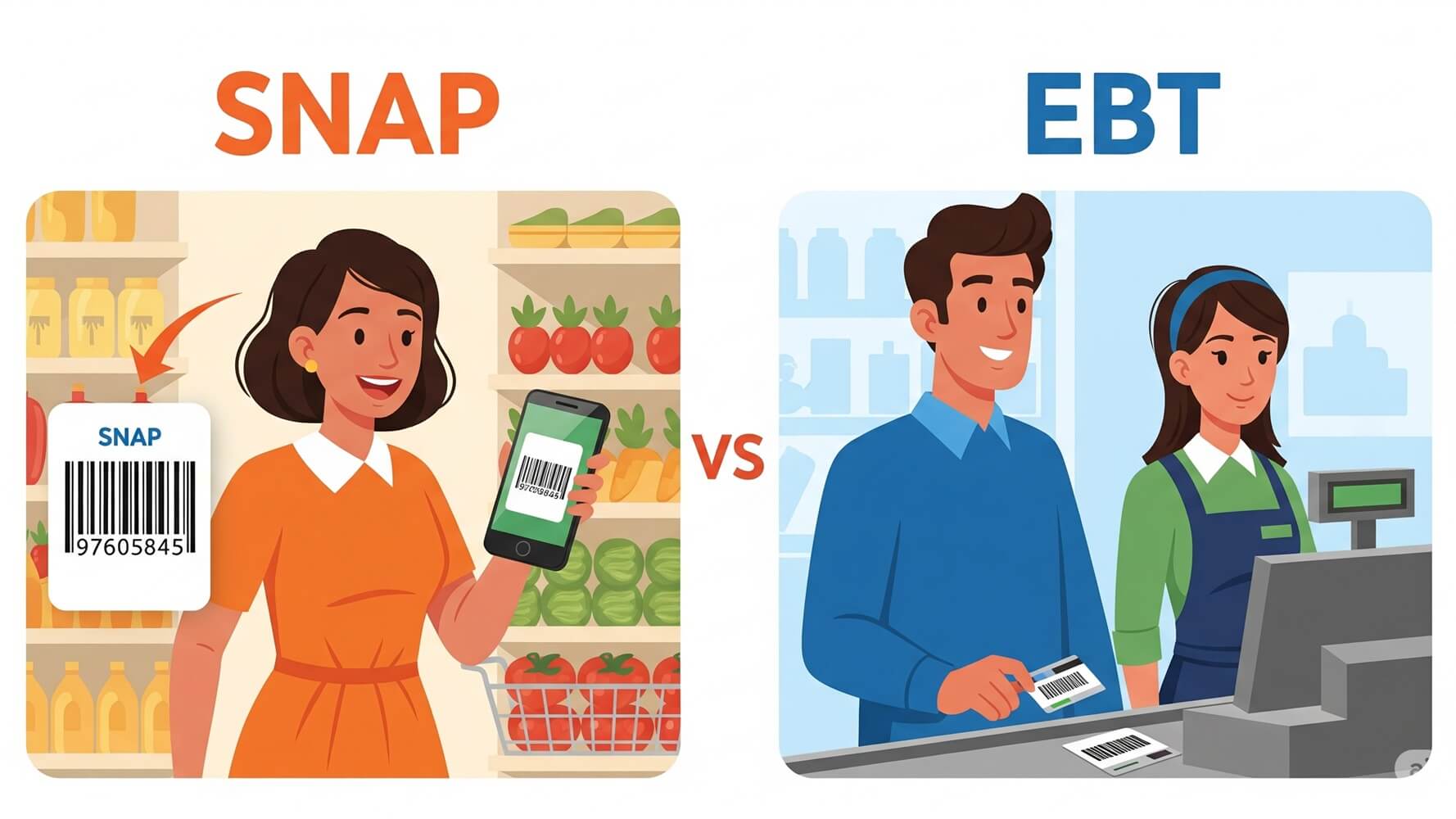
One of the most important aspects of SNAP is that it mainly covers food items. This means that you can purchase things like fruits, vegetables, meat, poultry, fish, dairy products, and grains. You can also buy seeds and plants that produce food. But what about things that aren’t strictly food? That’s where the rules get a little more complicated.
EBT cards work a lot like debit cards, but they have limitations on what you can purchase. The program is designed to support a healthy diet, so some non-food items are off-limits. This can include things like alcohol, tobacco products, and non-food household items. It is essential to understand that retailers are required to follow federal guidelines, which are consistent across states.
Generally, the goal of SNAP is to help people buy nutritious food. It is important to check with local stores, because sometimes, policies differ slightly from state to state.
The General Rule: What SNAP Will Not Cover
Typically, SNAP won’t cover items that aren’t considered “food.” This includes things like cleaning supplies, paper products, and pet food. SNAP funds are intended to help people buy the things that they eat.
There are also specific items, even if they’re technically edible, that are often not allowed. These include alcohol, tobacco products, and supplements. Even if a product is edible, if it is considered a supplement, then you cannot pay for it with SNAP.
- Non-food items: Cleaning supplies, paper products, etc.
- Alcohol: Beer, wine, liquor
- Tobacco: Cigarettes, cigars, etc.
- Supplements: Vitamins, herbal remedies, etc.
The goal is to provide support for food for consumption. While some of these items are food, it is important to understand that the intention of the program is to provide funds for food for consumption.
Energy Drinks and the SNAP Guidelines
Now, let’s get to the main question: Does EBT cover energy drinks? The answer isn’t always straightforward. Generally, the SNAP rules consider whether the item is a food item. In the case of energy drinks, the decision can depend on the ingredients and how the drink is marketed.
Many standard energy drinks are considered non-staple foods. This means they are often considered a “treat” or a “supplement” rather than a core food item. The caffeine and other additives also play a role in this assessment. Because of this, these drinks are often not covered. Check the store’s policy about what you are going to purchase.
- Ingredients: If the drink has added vitamins, it can be a no.
- Marketing: Is it marketed as a supplement?
- Store Policy: Local stores can have varying policies.
- State Laws: Some states have different rules.
It’s important to check with the store and verify if energy drinks are allowed. The cashier can tell you whether the item is covered or not.
Why Energy Drinks Are Often Restricted
One reason why energy drinks are often restricted is that they are not always considered essential for a balanced diet. They can contain high levels of sugar and caffeine, which may not be the best choice. The SNAP program is all about providing funds for a balanced and healthy diet.
Additionally, some energy drinks are marketed as supplements or performance enhancers. This can cause the item to be restricted, because it is not a food item meant for regular consumption. SNAP rules are designed to keep people eating nutritious and healthy food.
| Reason | Description |
|---|---|
| Nutritional Value | High sugar and caffeine content. |
| Marketing | Often marketed as supplements or performance enhancers. |
| Program Goals | To provide funds for a balanced diet. |
Because of the potential effects on health, such as increased heart rate, SNAP tries to help people choose the most nutritious options. It can be complicated, which is why the store policies are so important.
Exceptions and Variations
While it’s generally true that energy drinks are not covered, there can be some exceptions or variations. For example, some beverages, such as those that are mostly fruit juice and marketed as a juice, might be considered a food item. This can be a grey area, and store policies can vary.
The specific rules can also vary by state. Some states might have different interpretations of the SNAP guidelines, leading to different policies on what is and isn’t allowed. You should check the local rules in your state. It’s a good idea to call the store ahead of time or ask a cashier directly if you have questions.
- Juice-based drinks: May be allowed.
- State variations: Policies can differ.
- Store policies: Always ask.
- Changes: Rules can change.
It is always best to check with the store and be sure that you are following all SNAP guidelines. If you have questions, speak with the store manager.
Tips for Using Your EBT Card
To make sure you’re using your EBT card correctly, it’s helpful to know how to shop effectively. Always look for the EBT symbol at the store and ask a cashier if you’re unsure if an item is eligible. Pay attention to the item’s labeling and packaging. This can help you determine whether it is a food item or something else.
Knowing what you can and can’t buy helps you get the most out of your benefits. If you want to buy an energy drink, you might have to pay for it separately. Checking with the store is critical when using your EBT card.
- Look for the EBT symbol: Indicates stores that accept EBT.
- Ask the cashier: If you’re unsure, ask!
- Check the label: See if the ingredients are considered food.
- Separate purchases: Use different payment methods.
The best advice is always to clarify at the point of purchase. Remember that rules are in place to keep the program fair for everyone.
Conclusion
In conclusion, whether EBT covers energy drinks often depends on the specific product and the interpretation of the SNAP guidelines. While standard energy drinks are generally not covered due to their ingredients and how they’re marketed, there can be exceptions. The best way to find out is to check with the store or ask a cashier. By understanding the rules and regulations of SNAP, you can make the most of your benefits and shop smart. Remember that the goal of SNAP is to provide nutritional assistance, and the program is constantly evolving to best serve its recipients.