Navigating the world of food assistance programs can be tricky. One of the most common questions people have about the Supplemental Nutrition Assistance Program (SNAP), often called food stamps, is what exactly they can buy with their benefits. Specifically, people often wonder: **Can I use food stamps for toilet paper?** This essay will explore this question and delve into the rules surrounding what you can and can’t purchase with SNAP benefits. It’s all about making sure you understand how to use the program correctly and get the most out of the help it provides.
What SNAP Covers: The Basics
Let’s get straight to the point! No, you cannot use food stamps to buy toilet paper. Food stamps are designed to help people purchase food items. The program aims to help individuals and families with limited income to afford a healthy and nutritious diet. Because toilet paper isn’t food, it’s considered a household essential, but it falls outside the scope of what SNAP covers. This is the fundamental rule of the program.
What Exactly *Can* I Buy With Food Stamps?
So, if toilet paper is out, what *is* in? Food stamps allow you to purchase a wide variety of food items that can be used for human consumption. This includes things like fresh fruits and vegetables, meats, poultry, fish, dairy products, and grains. You can also buy seeds and plants that produce food, such as a tomato plant or a packet of seeds to grow lettuce. These are items that provide nutritional value and contribute to a balanced diet.
Here’s a quick breakdown of eligible food categories:
- Fruits and vegetables
- Meat, poultry, and fish
- Dairy products (milk, cheese, yogurt)
- Breads and cereals
- Snack foods (chips, cookies, etc.)
- Non-alcoholic beverages
It’s important to note that the specific items may vary a bit depending on your local grocery stores, but these are the core food categories covered by SNAP.
Also, it is essential to remember that the food must be for you or your household to eat. Food stamps are meant to help you provide for your own nutritional needs or for the people in your household, and buying food for others who are not part of your SNAP household can be considered a violation of the rules.
What’s Not Covered: Household Essentials and More
Beyond toilet paper, there’s a whole list of items that SNAP benefits won’t cover. These generally fall into categories that aren’t directly related to food for consumption at home. Things like paper towels, diapers, and cleaning supplies are considered household essentials, but not covered. Personal care items, like shampoo, soap, and toothpaste, are also off-limits, as are pet foods. Essentially, the rules are set to focus on basic dietary needs.
Here’s a table that offers some examples of what you *can’t* buy with food stamps:
| Item | Why it’s not covered |
|---|---|
| Toilet Paper | Household essential, not food |
| Diapers | Household essential, not food |
| Alcoholic beverages | Not food |
| Cigarettes | Not food |
| Pet food | Not for human consumption |
This table illustrates how SNAP has a very strict definition of “food” and what it is intended to provide. This means that your benefits are there for things that go in your mouth, or that can grow food for you to eat.
Lastly, you cannot buy any food to be eaten in a store. This includes prepared foods from fast food restaurants, or foods you might purchase from a deli, as well as hot prepared foods, with a couple of exceptions.
Buying Restrictions at the Store
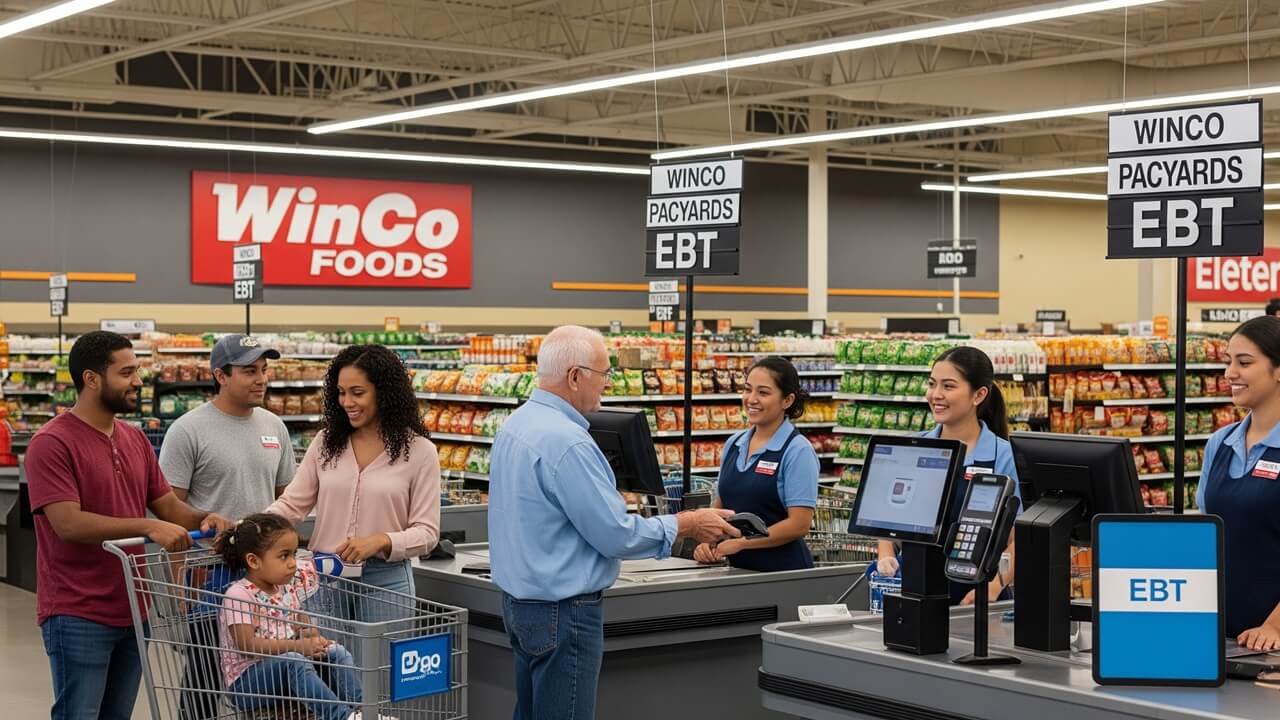
When you’re at the grocery store, there are a few rules to keep in mind while using your food stamps. For instance, you generally cannot buy hot prepared foods, like a rotisserie chicken that is ready to eat. You also can’t purchase items that are labeled as supplements or vitamins. Additionally, many stores will have a distinct area for SNAP-eligible foods, to make the process easier. It is your responsibility to adhere to the rules.
Some stores make it easy to identify eligible items. Look for:
- Signs indicating what you can buy.
- Certain areas of the store that are dedicated to food stamp purchases.
- Cashiers who are trained to recognize SNAP-eligible items.
It is vital to be aware of what is permissible when shopping to prevent unintentionally violating the rules. Breaking these rules can result in some penalties, or even termination of your benefits.
Even in places that are set up for food stamps, sometimes things can be confusing. Always ask the cashier if you are unsure about an item. They can clarify, and will save you from problems later.
Online Shopping with SNAP
In recent years, the ability to use food stamps for online grocery shopping has expanded. Many major grocery chains and online retailers now accept SNAP benefits for online orders. This can be a convenient option, especially for those who have mobility issues or live far from a grocery store. However, there are some limitations you should know about.
Here’s how it usually works:
- You shop online at a participating retailer.
- You enter your EBT card information during checkout.
- You can only use your benefits for eligible food items.
- You might still need to pay for delivery fees or other non-food items separately.
Check to see which online stores in your area accept SNAP, and double-check that the items you select are, in fact, SNAP-eligible. These options are improving and expanding.
One thing to keep in mind is that delivery fees, if any, often cannot be paid for using SNAP benefits. If you order online, make sure that your food costs will fall within the limits you are able to cover using SNAP.
Using Food Stamps at Farmers Markets
Food stamps are great for the supermarket, but what about farmers markets? The good news is that many farmers markets across the country also participate in SNAP. This provides an opportunity to buy fresh, locally grown produce and other food items directly from farmers.
Here’s a quick run-down of how it works:
- Look for farmers markets that display a sign saying they accept SNAP or EBT.
- Visit the market information booth.
- Swipe your EBT card to receive tokens.
- Use the tokens to buy eligible foods at the market stalls.
If you have a chance to take advantage of this, it can be a great way to get fresh and local produce. Farmers markets can be a great way to access healthy food while supporting local businesses and promoting sustainable agriculture.
Many markets can offer discounts and coupons for those with food assistance. Ask about the local options, and you might be able to stretch your benefits further.
Consequences of Misusing Food Stamps
It’s really important to understand the rules of SNAP and use your benefits responsibly. Using your food stamps for non-food items, like toilet paper, is against the rules, and there can be serious consequences. Even buying things that are usually food, such as alcohol, is prohibited.
The penalties can include:
- A warning for the first offense.
- Suspension of your benefits for a period of time.
- Permanent disqualification from the program.
In more extreme cases, there can even be legal consequences. The government takes misuse of food assistance programs very seriously because it’s designed to help people who truly need it. So, it’s best to be very careful.
It’s always better to ask questions than to risk losing your benefits, so always follow up with the program managers if you have questions.
Conclusion
In conclusion, the answer to “Can I use food stamps for toilet paper?” is a firm no. Food stamps are specifically designed to assist with the purchase of food items to ensure that individuals and families can afford a healthy diet. While toilet paper and other household essentials are necessary, they aren’t covered by SNAP. By understanding the rules and eligible items, you can make the most of your food stamp benefits, ensuring you and your family have access to nutritious food. Always remember to use your benefits responsibly, shop within the guidelines, and seek help if you are ever unsure about what you can or cannot buy.